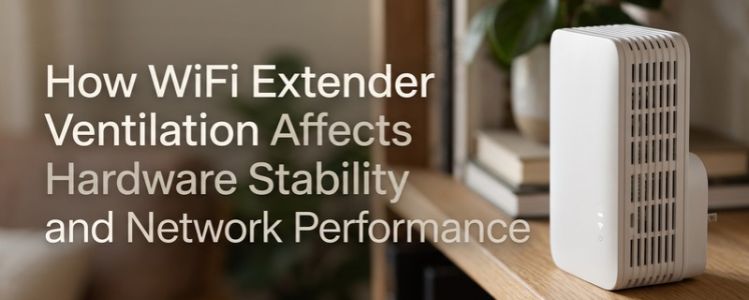
A WiFi extender operates for extended periods to maintain wireless coverage between a router and connected devices. Because it continuously processes network traffic and transmits wireless signals, proper ventilation is important for maintaining hardware stability. Poor airflow can contribute to excessive heat, unexpected restarts, slower performance, and inconsistent connectivity. Understanding the relationship between device temperature and network operation can help users maintain a more reliable home WiFi environment.
Users managing their extender through Netgear_ext or accessing their main router through 192.168.1.1 should also consider the physical placement of their equipment. Proper configuration is useful, but adequate ventilation and a suitable operating environment are equally important for consistent performance.
WiFi extenders contain electronic components that generate heat during normal operation. Wireless radios, processors, memory, and power regulation circuits all contribute to internal temperature increases. When the device has sufficient airflow, heat can dissipate more effectively.
However, placing an extender inside a closed cabinet, behind furniture, or near another heat-producing electronic device can restrict ventilation. As internal temperatures rise, the hardware may experience thermal stress that affects long-term reliability.
Good ventilation helps support:
The ventilation requirements vary by extender model, so users should always follow the manufacturer’s placement recommendations.
High operating temperatures do not automatically mean that an extender will experience network problems. However, sustained heat can contribute to instability, particularly when combined with restricted airflow, heavy network traffic, or an unsuitable power supply.
Some devices may reduce performance or restart when internal protection mechanisms detect excessive temperatures. Other models may continue operating but experience intermittent connectivity issues if heat affects component reliability.
Common symptoms include:
These symptoms can also result from weak backhaul signals, firmware problems, interference, or incorrect configuration. Therefore, users should investigate multiple possible causes rather than assuming overheating is responsible.
Extender placement influences both ventilation and wireless performance. A location that provides good airflow may still be unsuitable if the device is too far from the main router.
When positioning an extender, consider the following factors:
The Netgear_ext wireless network name is commonly associated with Netgear WiFi extenders. Depending on the model and configuration, users may see this network while connecting a computer or mobile device to the extender during installation.
If the extender becomes unstable, users can inspect its physical condition before changing wireless settings. Check whether the device feels unusually hot, whether its ventilation openings are blocked, and whether its power connection is secure.
After improving airflow, allow the extender to cool naturally and restart it according to the manufacturer’s instructions if necessary. Avoid placing it near fans that introduce dust or moisture, and never attempt to open the device to clean internal components unless the manufacturer specifically provides an approved maintenance procedure.
The address 192.168.1.1 is commonly used by certain home routers as their local administration address. Users can enter it into a browser connected to the router’s network to access the router’s management interface, provided that the router uses this address.
This interface may help users review connected devices, wireless settings, and router status. It can also help distinguish between a router-side problem and an extender-side connectivity issue.
For example, if the main router is functioning normally but devices connected through the extender repeatedly disconnect, users can investigate extender placement, signal strength, and hardware condition.
Not every router uses 192.168.1.1. Some use a different private gateway address, so users should check the router label or manufacturer documentation if the address does not open the login page.
A few simple maintenance practices can help reduce unnecessary thermal stress and support consistent network operation.
If overheating symptoms continue despite proper ventilation, consult the manufacturer’s support documentation or consider professional inspection.
Proper ventilation is an important part of maintaining WiFi extender hardware stability. Restricted airflow and excessive environmental heat can contribute to unexpected restarts, connectivity interruptions, and long-term component stress. Users should choose an open installation location, keep ventilation openings clear, and maintain a reliable connection with the main router.
Whether managing an extender through Netgear_ext or checking router connectivity through 192.168.1.1, combining correct network configuration with sensible hardware placement can help maintain dependable wireless coverage.

Dave Francis is a WiFi network expert and a technical writer dedicated to helping users optimize their home networks. He focuses on providing clear, actionable steps to help readers get the best service out of their devices. With the background in Information-Technology and passion for WiFi devices, he provides practical advice and solutions for setting up and managing Wi-Fi devices. He breaks down technical issues and offers simplified solutions through easy guides and tutorials.


