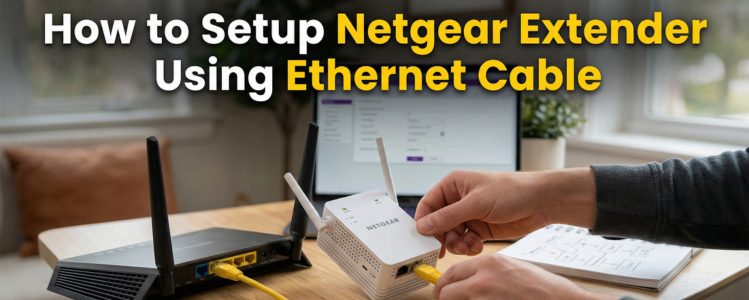
Setting up a Netgear WiFi extender using an Ethernet cable is one of the most reliable methods, especially if you want a stable and error-free installation. This wired setup ensures a strong connection between your router and extender during configuration, reducing chances of setup failures. In this guide, we’ll walk you through the complete step-by-step process using Routerlogin.net and 192.168.1.1.
Before starting, make sure you have the following:
Having everything ready will make the setup process smooth and quick.
This indicates that your extender is ready for setup.
This creates a direct wired connection, which is ideal for setup.
Connect your laptop or PC to the extender using:
Now you need to access the extender’s setup interface.
Both methods will take you to the Netgear extender setup page.
Follow the on-screen instructions:
For optimal performance:
Proper placement ensures better signal coverage.
If setup fails:
This method is ideal for beginners and professionals alike.
Avoiding these mistakes ensures a smooth setup experience.
Setting up your Netgear extender using an Ethernet cable is one of the easiest and most reliable methods. By accessing the setup page via Routerlogin.net or 192.168.1.1, you can quickly configure your extender and enjoy improved WiFi coverage throughout your home.
This wired setup method minimizes errors and ensures a strong connection, making it perfect for users who want a hassle-free installation process. Follow the steps carefully, and your extender will be up and running in no time.
Tags: Netgear extender setup
Dave Francis is a WiFi network expert and a technical writer dedicated to helping users optimize their home networks. He focuses on providing clear, actionable steps to help readers get the best service out of their devices. With the background in Information-Technology and passion for WiFi devices, he provides practical advice and solutions for setting up and managing Wi-Fi devices. He breaks down technical issues and offers simplified solutions through easy guides and tutorials.


